The Chitwan Jungle Safari 3 Days is a 3-day, 2-night wildlife trip to Chitwan National Park, priced from $189 to $229 per person. It starts from Kathmandu, Pokhara or Bandipur, with two nights in Sauraha. During the trip, you take a jeep or elephant safari, a Rapti River canoe ride and a guided walk. You also visit a Tharu village and watch a Tharu cultural dance.
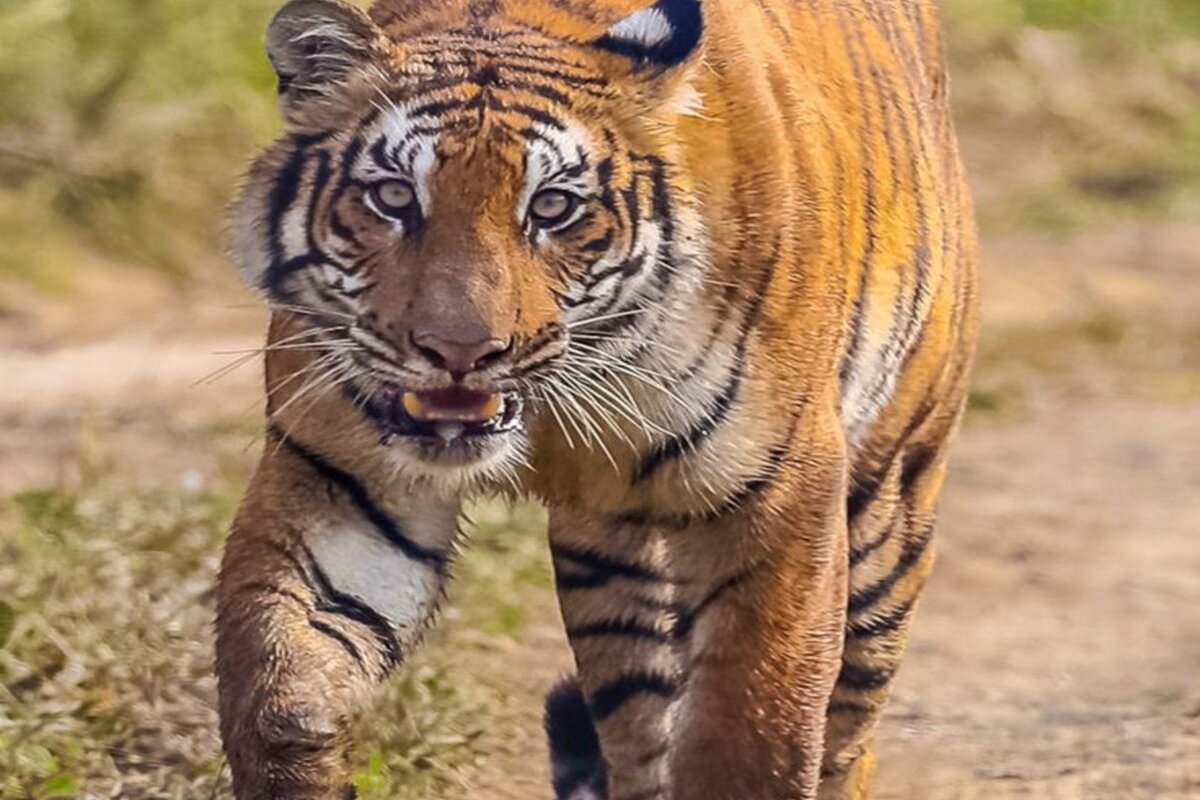
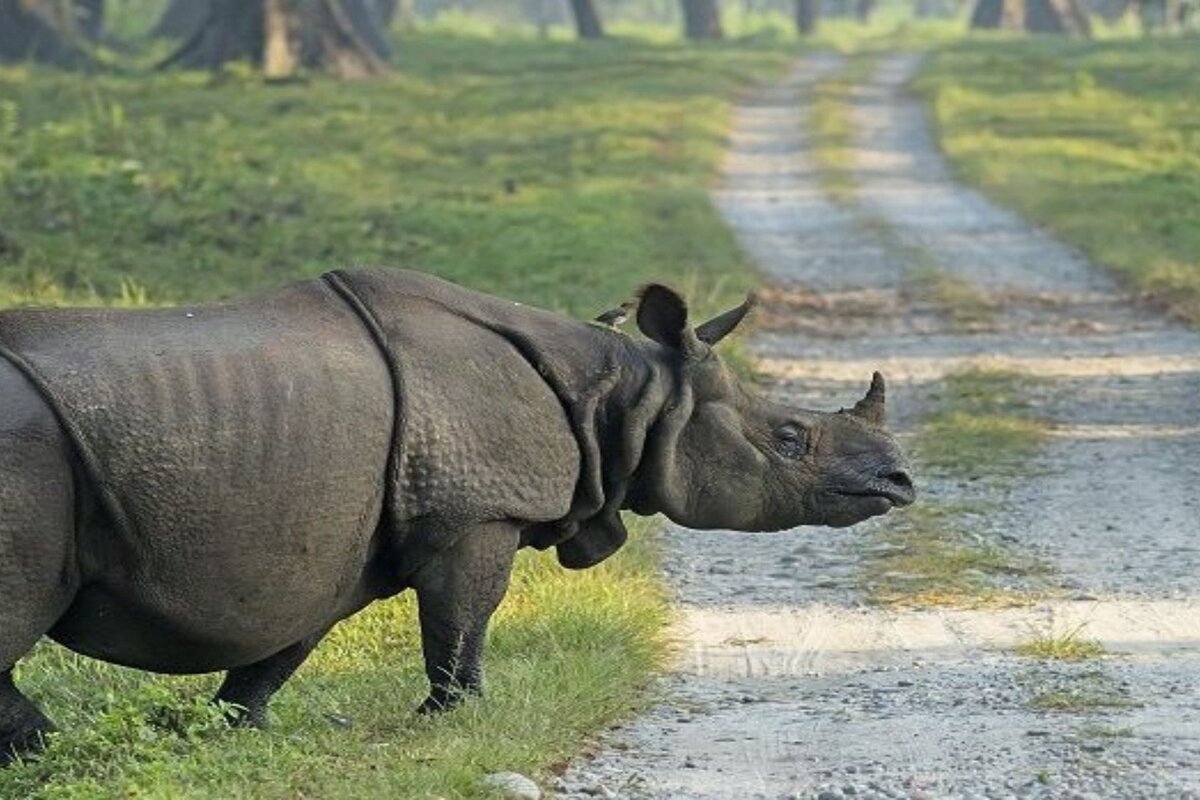
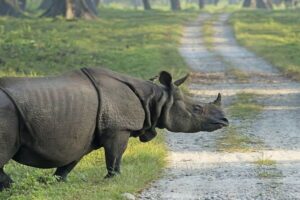
Unlike the mountains, Chitwan is hot lowland forest and grassland. One-horned rhinos are seen on most safaris. Tigers live here too, but sightings are rare.
Because there is no trekking, it fits easily around a trek. For example, come from Kathmandu after EBC, or from Pokhara after ABC, Mardi Himal or the Annapurna Circuit.
We’re a Kathmandu-based company, registered since 2018. We arrange the bus, resort, park entry and guide, so you just turn up. Check the group prices or message us on WhatsApp.
| Trip Details | Information |
|---|---|
| Tour Name | Chitwan Jungle Safari 3 Days |
| Duration | 3 days, 2 nights in Chitwan |
| Start | Kathmandu (Nayabazaar tourist bus stop), Pokhara (Tourist Bus Park) or Dumre bus stop for Bandipur — same price |
| End | Kathmandu or Pokhara by tourist bus, or Dumre for Bandipur |
| Location | Chitwan National Park, Sauraha (southern Nepal) |
| Difficulty | Easy — short walks and safari drives |
| Accommodation | Deluxe room at a comfortable jungle resort, 2 nights — single for solo travellers, twin for pairs, triple on request |
| Meals | Day 1: lunch and dinner · Day 2: all meals · Day 3: breakfast |
| Main Activities | Jeep or elephant safari, Rapti River canoe ride, guided nature walk, Tharu village visit, Tharu cultural dance |
| Wildlife | One-horned rhino, deer, mugger crocodile, gharial, more than 540 bird species; tiger possible but rare |
| Best Season | October to March; February to May for the best wildlife viewing |
| Group Size | 1 to 12 |
Kathmandu or Pokhara → Sauraha (Chitwan National Park) → Kathmandu, Pokhara or Dumre (for Bandipur)
This trip gives you the core of Chitwan in two nights. You get a park jeep safari, a canoe ride, a guided walk and an evening of Tharu culture. It is short enough to fit between a trek and your flight home.
Chitwan was Nepal’s first national park, set up in 1973, and has been a UNESCO World Heritage Site since 1984. The 2026 national count recorded 145 tigers in Chitwan and its buffer zone. The 2021 census, the latest, counted 694 one-horned rhinos here.
You can start from Kathmandu or Pokhara at the same price, and end in either. Coming off ABC, Mardi Himal or the Annapurna Circuit, you go straight from Pokhara, with no detour back to Kathmandu first.
The trip is easy, but the days start early, often around 6am. From April to June, average highs reach 33–34°C, and jeep tracks are dusty. Wildlife is never guaranteed, especially in the tall grass before it is cut in winter. Bring insect repellent, long sleeves and clothes in muted colours.
Meeting points
Arrival in Chitwan
The bus stops at Sauraha Tourist Bus Park. Resort staff wait there with a sign showing your name and take you to the resort. On Day 3, they drop you back at the same bus park for your onward bus.
Getting to Chitwan
The price includes a tourist bus to Sauraha from Kathmandu, Pokhara or Dumre, all at the same price. Buses leave in the morning, and the trip takes about five to six hours from Kathmandu or Pokhara.
On Day 3, the bus takes you to Kathmandu, Pokhara or Dumre. You can also mix them, for example starting in Bandipur and ending in Pokhara. Between Bandipur and Dumre, your Bandipur hotel arranges the drive, or we do if you book the hotel with us.
If you’d rather fly, Kathmandu to Bharatpur takes about 25 minutes, and Sauraha is around 30 minutes by road from the airport. We can quote a flight or private vehicle on request.
Safari seasons
The jeep safari inside the national park closes for the monsoon, usually from 1 July. It normally reopens around Dashain, in early to mid-October.
During that closure, jeep safaris still run in the buffer-zone community forests next to the park. We’ll tell you before you book if your dates fall in this period.
per person
Recommended
per person
per person
Best Value
per person
Altitude: Lowland | Drive: About 6 hrs | Meals: Lunch, Dinner | Stay: Deluxe room, jungle resort, Sauraha
The tourist bus leaves Kathmandu, Pokhara or Dumre in the morning and drops down to the plains. Resort staff meet you at Sauraha Tourist Bus Park with a name card. After lunch at the resort, your guide takes you to a nearby Tharu village. Finish the day watching the sunset on the Rapti riverbank.
Altitude: Lowland | Safari: Jeep or elephant, plus canoe | Meals: Breakfast, Lunch, Dinner | Stay: Deluxe room, jungle resort, Sauraha
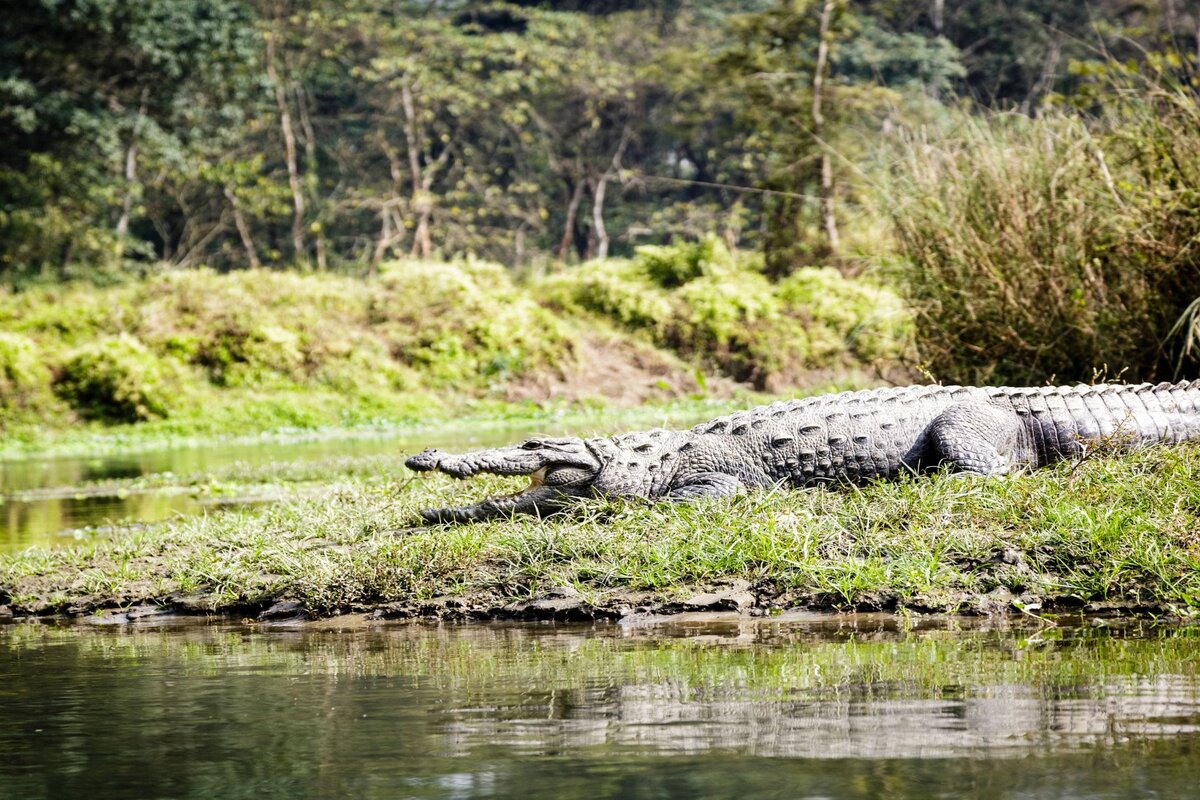
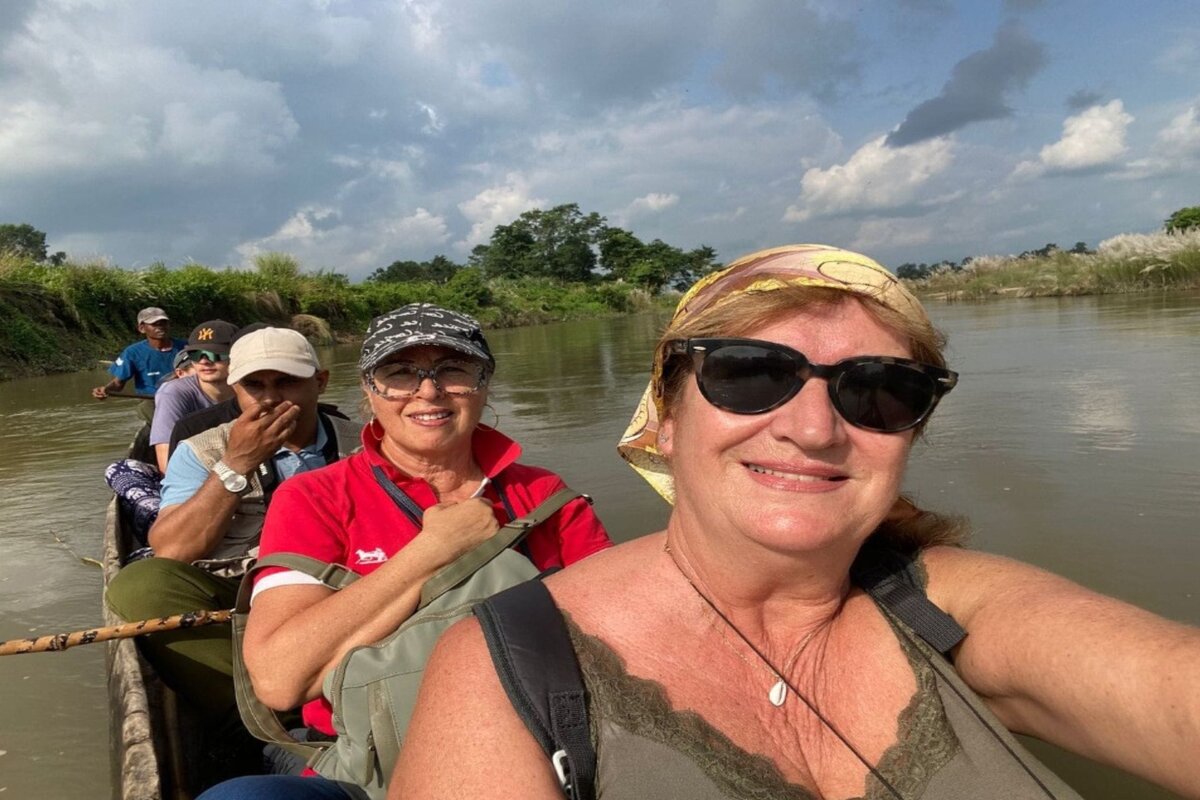
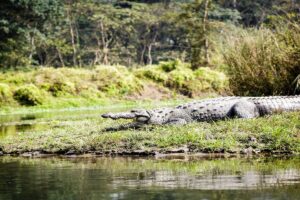
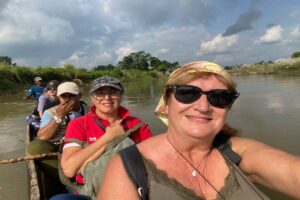
The jeep safari enters the national park in the morning, when animals are most active. Rhinos, spotted deer and wild boar are common sightings. If you choose the elephant safari instead, it runs in a buffer-zone forest outside the park. In the afternoon, a dugout canoe drifts down the Rapti, past mugger crocodiles and riverbirds. In the evening, you watch a Tharu cultural dance in Sauraha.
Altitude: Lowland | Drive: 5–6 hrs | Meals: Breakfast
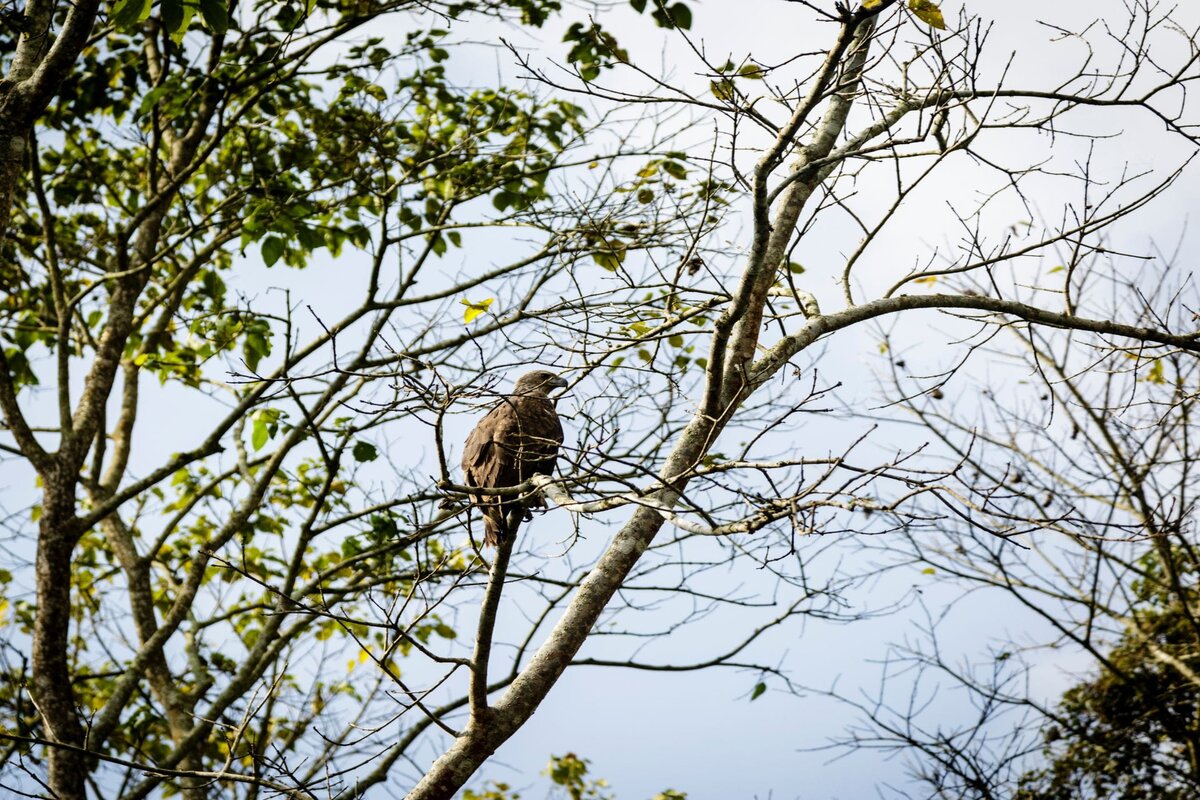
An early guided walk along the forest edge is the best time for birds. After breakfast, resort staff drop you at Sauraha Tourist Bus Park for your onward bus. It goes to Kathmandu or Pokhara. For Bandipur, it stops at Dumre, where your Bandipur hotel picks you up.
Planning the details? Read our Chitwan National Park safari guide, covering wildlife, seasons and park fees.
It is a 3-day, 2-night wildlife trip to Chitwan National Park, staying in a deluxe room at a comfortable Sauraha resort. A jeep or elephant safari, canoe ride, nature walk and Tharu cultural programme are included. Prices run from $189 to $229 per person, with bus transport from Kathmandu, Pokhara or Bandipur.
Yes, instead of the jeep safari. Elephant rides are not allowed inside Chitwan National Park, so they run in buffer-zone community forests next to it. We recommend the jeep safari, because it goes into the park itself. Many travellers also avoid elephant rides on welfare grounds, and in December 2025 Nepal’s Supreme Court ordered them to be reconsidered.
Solo travellers get a private single room. Pairs share a twin room. For odd-numbered groups, families or friends can take a triple room, so five people would have one twin and one triple. Friends who prefer can take one single and two twins instead. Tell us your preference when you book.
Probably not, though it does happen. Chitwan and its buffer zone had 145 tigers in the 2026 national count, but they are shy and mostly active at night. One-horned rhinos are much easier to see. The 2021 census, the latest, counted 694 in Chitwan.
No. The jeep safari inside the national park usually closes from 1 July for the monsoon. It reopens around Dashain, in early to mid-October. During that time, jeep safaris still run in the buffer-zone community forests. We’ll tell you before you book if your dates fall in this closure.
October to March is the most comfortable, with cool mornings and clear skies. February to May is often best for wildlife, because the tall grass has been cut and animals come to the rivers. April to June is hot, with average highs of 33–34°C. July to September brings heavy rain and the park jeep-safari closure.
Yes, at the same price. Buses leave from Nayabazaar in Kathmandu, the Tourist Bus Park in Pokhara, or Dumre bus stop below Bandipur. You can end at any of the three, so starting in Bandipur and ending in Pokhara works too. Your Bandipur hotel arranges the Dumre drive, or we do if you book the hotel with us.
Yes. Flights from Kathmandu to Bharatpur take about 25 minutes, and Sauraha is about 30 minutes by road from the airport. A private vehicle is another option. Both cost extra, so message us for a quote.
Yes. There is no trekking, only short walks and seated safaris. The main challenges are early starts, heat from April to June, and bumpy jeep tracks. Tell us about any mobility needs before booking, and we’ll adjust the activities.
Light, long-sleeved clothes in muted colours, a hat, sunscreen and strong insect repellent. Bring a light jacket for early mornings from November to February. Binoculars and a camera with a zoom lens make a big difference on the safari.