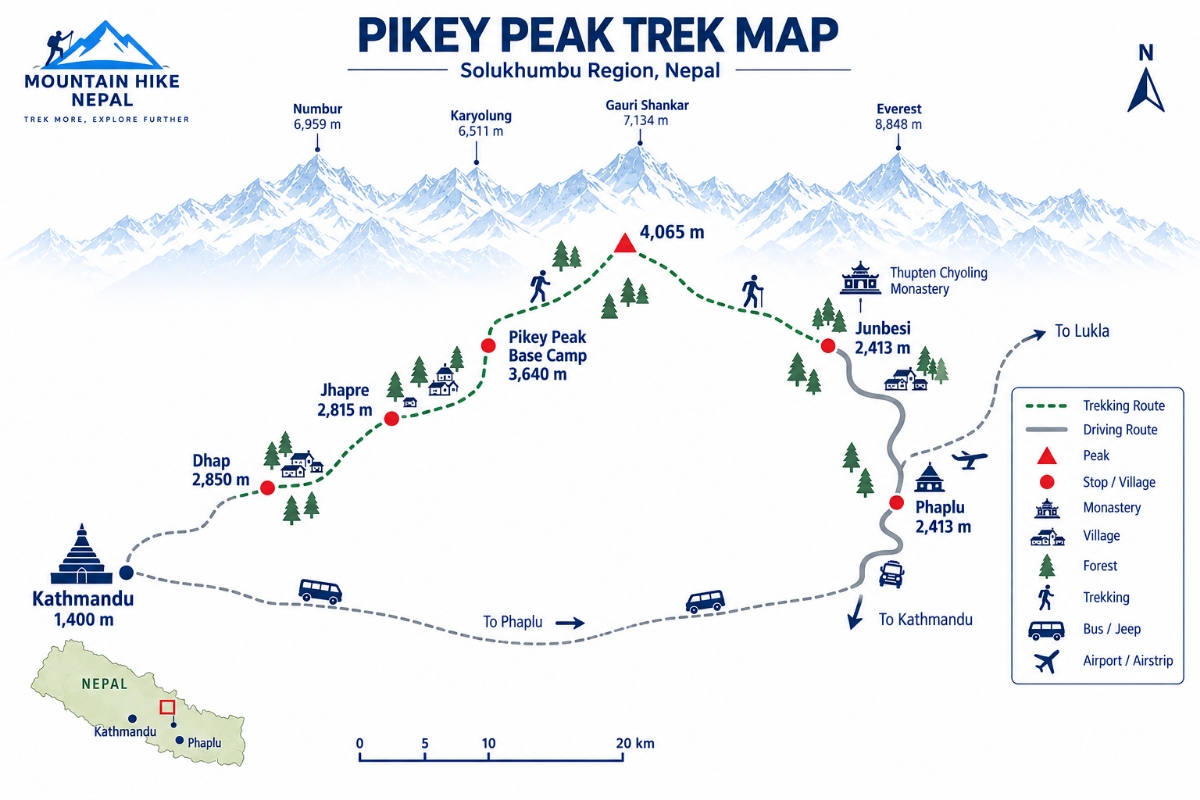
The Pikey Peak Trek is a 6-day trek from Kathmandu through Dhap, Jhapre, and Junbesi to Phaplu. Pricing runs $485 to $660 per person, depending on group size. It climbs to Pikey Peak at 4,065m for sunrise over Everest, Makalu, and the eastern Himalaya. There’s no Lukla flight and no high-altitude commitment.
This is the Everest region without the crowds. The trail runs through Sherpa, Rai, and Tamang villages, climbing through rhododendron forest and yak pasture. The route reaches Pikey Peak Base Camp at 3,640m. The summit sunrise is the payoff — a 360-degree wall of peaks with none of the crowding of busier viewpoints.
Altitude sickness risk stays low here compared to Everest Base Camp or Everest Three Passes. The trek never tops 4,065m. Want more altitude and days on trail? See our Everest Base Camp Trek or Everest Three Passes Trek.
We’re a Kathmandu-based local trekking company, not a call centre. No TIMS card is required, and we handle the local permit and all Kathmandu–Dhap–Phaplu transport. Message us on WhatsApp with your travel month.
| Trip Details | Information |
|---|---|
| Trip Name | Pikey Peak Trek |
| Duration | 5 Nights / 6 Days |
| Maximum Altitude | 4,065m — Pikey Peak Summit |
| Major Highlights | Pikey Peak Summit (4,065m), Junbesi, Thupten Chholing Monastery, Jhapre, Sherpa and Rai villages of the Solu region |
| Trek Difficulty | Easy to Moderate — Low-Altitude Himalayan Trek |
| Trek Start / End Point | Kathmandu ↔ Dhap / Phaplu, by road |
| Best Season | Spring (March–May) and Autumn (September–November) |
| Low Season | Winter — cold but clear, fewer trekkers on trail |
| Not Recommended | Monsoon Season (June–August) — slippery trails and leeches on the lower forested sections |
| Accommodation | Teahouse Lodges |
| Meals Included | Breakfast, Lunch |
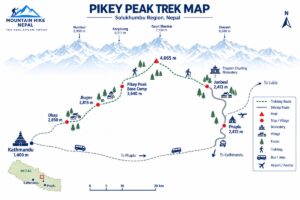
Dhap (2,850m) → Jhapre (2,815m) → Pikey Peak Base Camp (3,640m) → Pikey Peak Summit (4,065m) → Junbesi → Thupten Chholing Gumba → Phaplu
The Pikey Peak Trek is one of the few routes into the Everest region that skips the crowds entirely. There’s no Lukla flight to gamble on, no queue of trekkers on the trail, and no scramble for teahouse rooms in Namche or Dingboche during peak season. The route runs through Sherpa, Rai, and Tamang villages in the Solu region — a genuinely different cultural mix than the Sherpa-only upper Khumbu, and a side of the Everest region most EBC trekkers never see.
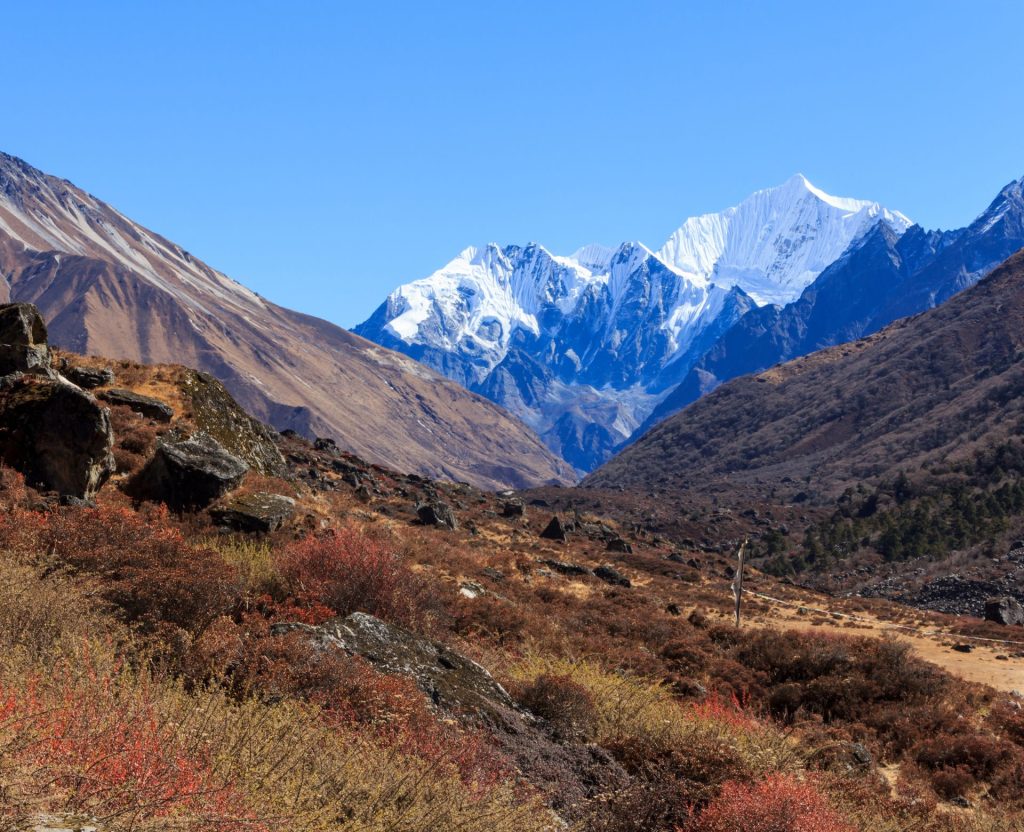
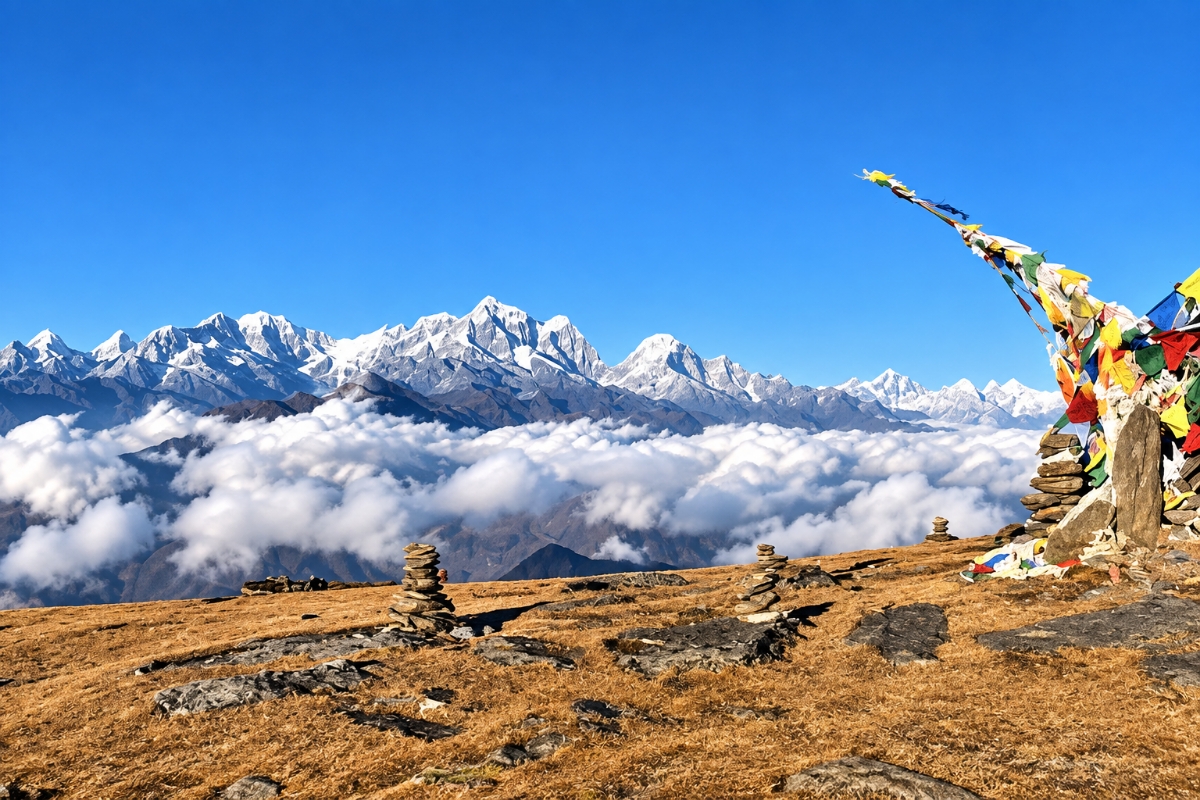
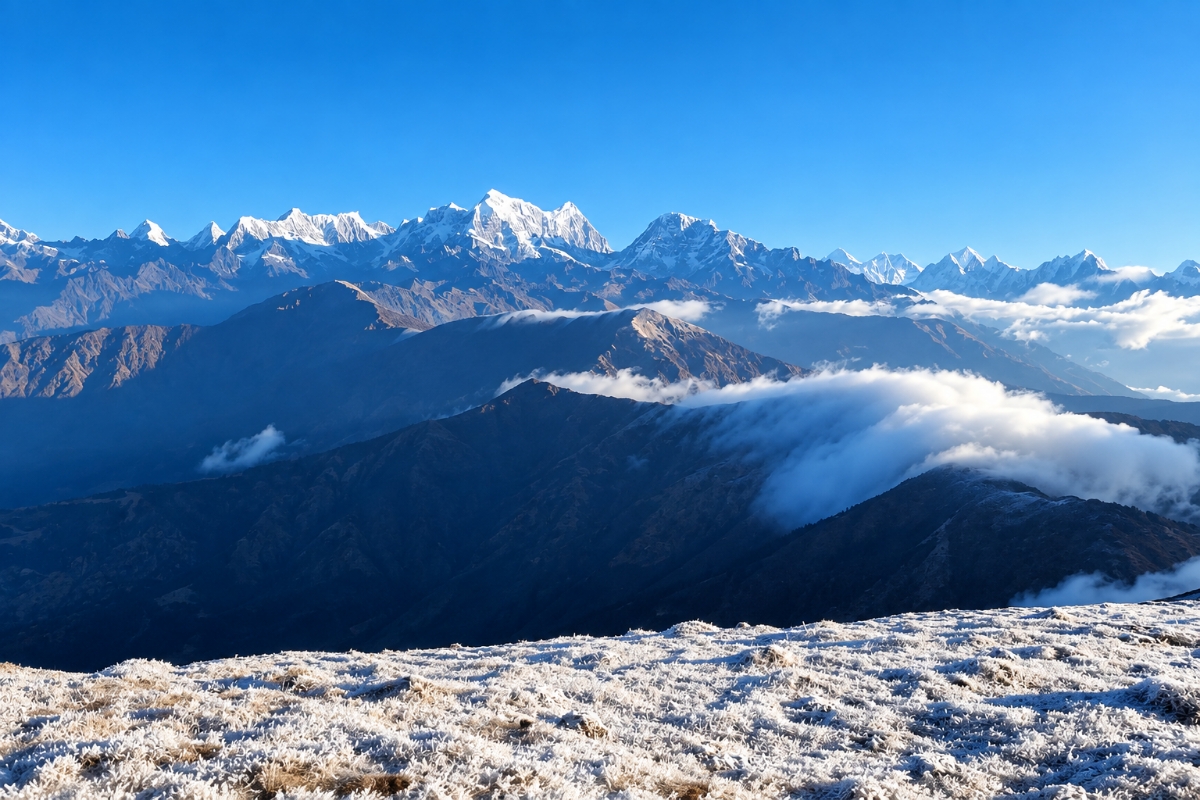
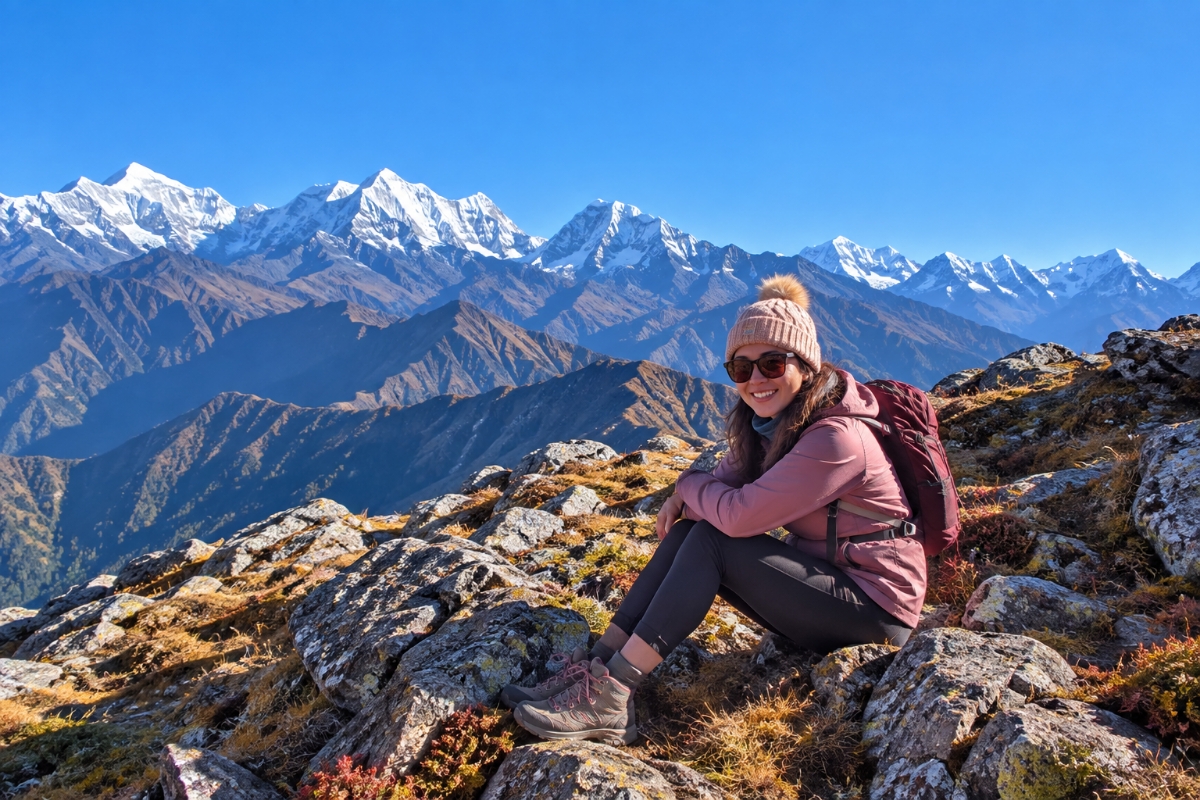
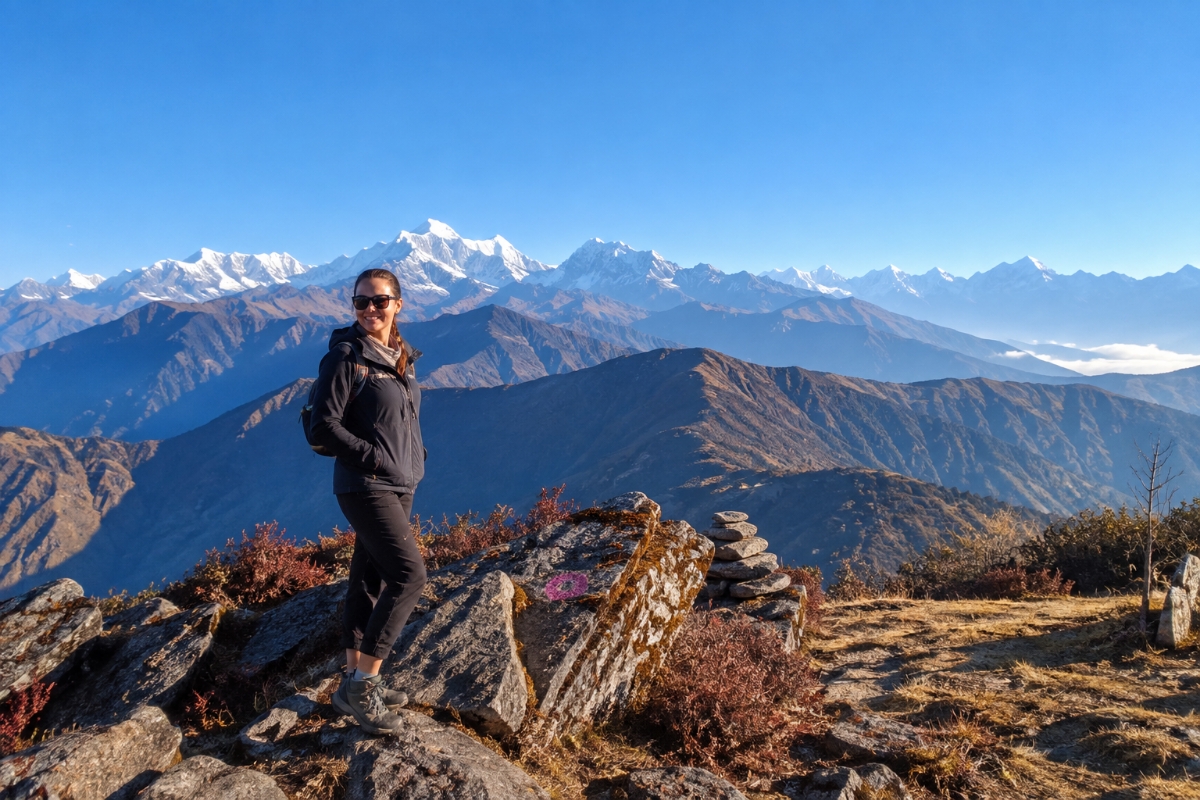
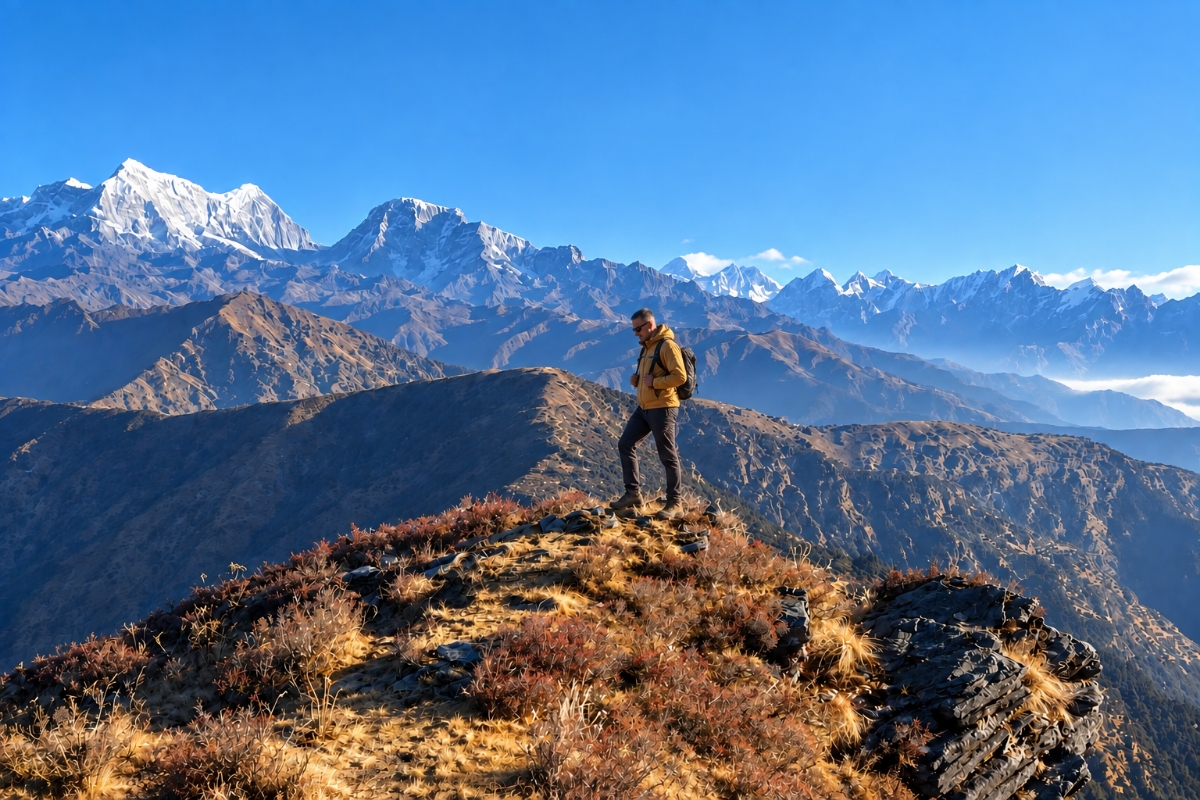
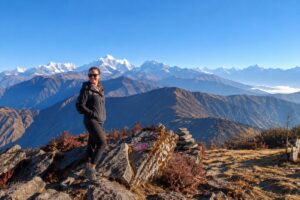
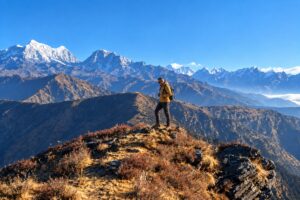
The sunrise from Pikey Peak at 4,065m delivers a 360-degree panorama — Everest, Lhotse, Makalu, and the eastern Himalaya spread out with no one else on the summit. Want more altitude and a longer commitment? Our Everest Base Camp Trek and Everest Three Passes Trek both go higher. Want the classic Everest view without the crowds or the flight risk? This is that trek.
This is a genuinely easier trek than anything else on our Everest region list. The trail runs 4 to 9 hours a day depending on the stage, with the highest overnight at Pikey Peak Base Camp, 3,640m — well below the altitude where serious AMS typically becomes a concern. That doesn’t mean no preparation is needed: Day 3 and Day 4 are long trekking days, and 3 to 4 weeks of regular walking or stair training beforehand makes a real difference to how much you enjoy the summit push rather than just surviving it.
per person
per person
per person
per person
Altitude: 2,850m | Drive: 8–9 hrs | Meals: Breakfast, Lunch, Dinner | Stay: Teahouse, Dhap
An early 4:00am start by local shared jeep gets ahead of Kathmandu traffic before the drive east follows the Sunkoshi River through the mid-hills toward the Solu region, gaining altitude gradually the entire way. The shared jeep keeps costs down, though the ride is basic rather than comfortable — a private jeep upgrade is available if you’d rather not share the journey. It’s a long day on the road, not a trekking day — arrival in Dhap in the afternoon or evening leaves time to settle in before the trail starts properly tomorrow.
Altitude: 2,815m | Trek: 4–5 hrs | Meals: Breakfast, Lunch, Dinner | Stay: Teahouse, Jhapre
The trail leaves Dhap on quiet forest paths, well away from any of the busier Everest region routes. Jhapre sits on a ridge with the first distant views of Everest and Numbur Himal, alongside small local monasteries worth a look before dinner.
Altitude: 3,640m | Trek: 6–7 hrs | Meals: Breakfast, Lunch, Dinner | Stay: Teahouse, Pikey Peak Base Camp
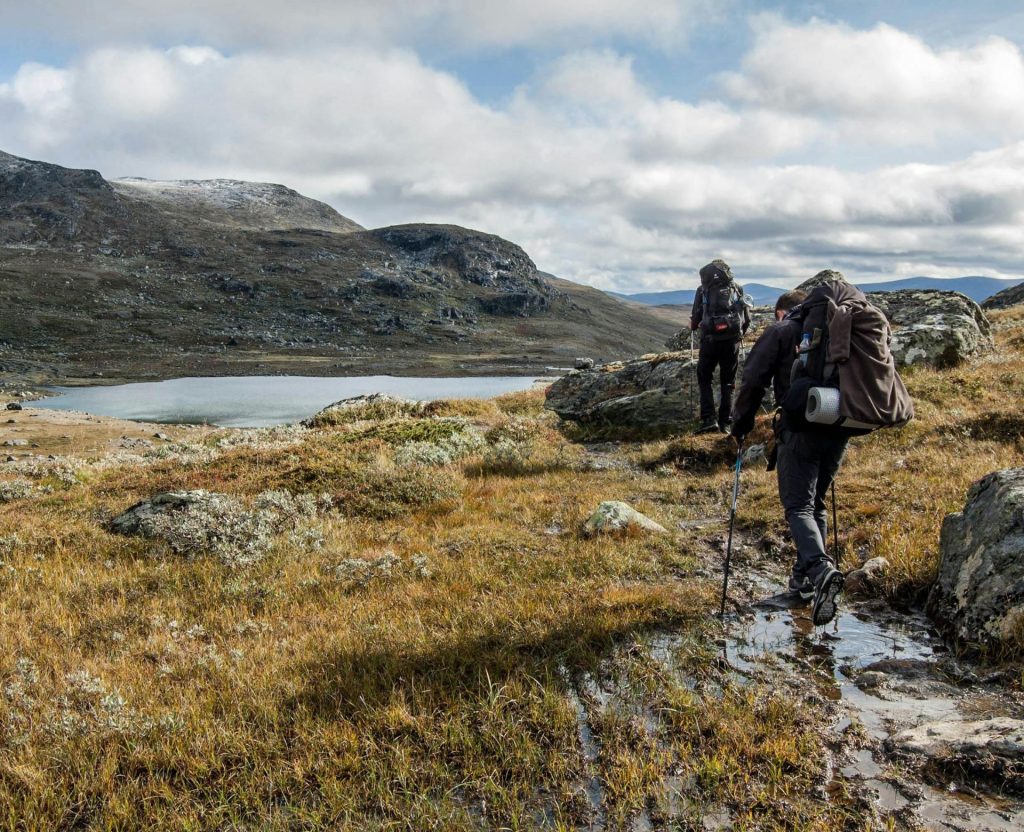
A longer day, climbing steadily through rhododendron forest and yak pasture toward Base Camp. The terrain opens up as the trees thin out, with the first real sense of scale as the surrounding peaks come into view. Base Camp itself sits just below the summit ridge — an early night matters, since tomorrow starts before dawn.
Summit: 4,065m | Total: 7–8 hrs | Meals: Breakfast, Lunch, Dinner | Stay: Teahouse, Junbesi
The climb to Pikey Peak starts in darkness, reaching the summit for sunrise — a 360-degree view that takes in Everest, Lhotse, Makalu, and the wider eastern Himalaya without another trekker in sight. After the summit, the trail descends the far side toward Junbesi, a Sherpa village known for its monasteries and quiet, settled feel after the exposed ridge walking of the morning.
Altitude: 2,413m | Trek: 5–6 hrs | Meals: Breakfast, Lunch, Dinner | Stay: Teahouse, Phaplu
A stop at Thupten Chholing Gumba, one of the more significant monasteries in the Solu region, opens the day before the trail descends toward Phaplu. The walking is easier than the previous three days, and Phaplu itself marks the return to a proper road and the end of the trekking section.
Drive: 8–9 hrs | Meals: Breakfast, Lunch, Dinner
The drive back to Kathmandu by local shared jeep retraces the route east, arriving in the evening. As on Day 1, a private jeep upgrade is available for travellers who’d prefer not to share the ride. The Pikey Peak Trek ends here — six days, one summit sunrise, and a genuinely different side of the Everest region than the busier trails see.
Plan every part of this trip with our supporting guides:
Yes. For travellers with limited time, we offer a 4-day version: Dhap to Pikey Peak Base Camp, the summit, and back to Dhap the same way, followed by the drive back to Kathmandu. It skips the Junbesi and Phaplu section of the standard 6-day trek but keeps the same steady, realistic pace and the same sunrise summit. Pricing for the 4-day option starts from USD 380 per person for groups of 8–12, up to USD 540 for solo trekkers. The itinerary can also be customized further — extra rest days, a different start or end point, or a slower pace — message us on WhatsApp and tell us what you have in mind.
Yes. The standard package includes a local shared jeep for the Kathmandu-Dhap-Kathmandu transfers, which keeps the price down but means a more basic, shared ride. A private jeep upgrade is available on request for travellers who’d rather not share the vehicle — cost depends on group size and when you book, so message us directly for a current quote.
No. TIMS is not required for this route — confirmed firsthand by our own guide, who trekked this exact route recently. This is different from Everest Base Camp or Annapurna region treks, where TIMS or its regional equivalent does apply.
Just one — a Local Area Permit issued under Likhupikey Rural Municipality or Solu Dudhkunda Rural Municipality, depending on the exact route taken. This is genuinely different from the Sagarmatha National Park and Khumbu Pasang Lhamu permits required for Everest Base Camp — Pikey Peak sits outside both of those boundaries. We arrange this permit before you arrive.
Easy to moderate — genuinely one of the more accessible treks in the Everest region. Daily walking runs 4 to 9 hours depending on the stage, with Day 3 and Day 4 being the longest. The trail is well-marked but involves real ascents and descents, so a reasonable level of fitness helps, but no technical skill or prior high-altitude experience is required.
Yes. The maximum altitude of 4,065m keeps altitude sickness risk well below what you’d face on Everest Base Camp or Three Passes, and the trail doesn’t require technical climbing skills of any kind. It’s a genuinely good choice for first-time Himalayan trekkers, families with older children, or anyone who wants real Everest views without a demanding high-altitude commitment.
Spring (March to May) and autumn (September to November) are best, with clear skies and stable temperatures on the trail. Winter is quieter and still doable, just colder. Monsoon season (June to August) is not recommended — the lower-altitude forested sections of this route pick up heavy rain, slippery trails, and leeches during those months.
They’re genuinely different trips. Everest Base Camp is a 12-day trek reaching 5,644m at Kala Patthar, requiring a Lukla flight and real altitude acclimatisation. Pikey Peak Trek is 6 days, tops out at 4,065m, runs entirely by road and trail with no flight at all, and carries far lower altitude sickness risk. You still get genuine Everest views from the summit — just without the time, altitude, or flight-cancellation risk that comes with EBC.
Technically yes, but we don’t build it into the standard package, and here’s why: Phaplu flights run only about twice a week, far less than Lukla’s daily schedule, so missing one can mean waiting several days for the next. Flights are also weather-dependent in the same way Lukla flights are — morning fog or rain can delay or cancel them with little notice. If a flight is cancelled, the fallback is the same local or private jeep, which takes 9 to 10 hours between Kathmandu and Phaplu anyway. Given that, the shared jeep is simply the more reliable option we build the trip around — ask us directly if you’d still like to explore a flight for one leg.
Low, compared to other Everest region treks. The highest overnight is Pikey Peak Base Camp at 3,640m, and the summit itself, at 4,065m, is only a short early-morning push rather than a multi-day high-altitude push. Mild symptoms like headache are still possible at Base Camp, so staying hydrated and pacing yourself on Day 3 and Day 4 still matters, but this route sits well below the altitudes where serious AMS becomes a real concern.
No. This is genuinely one of the more beginner-friendly treks in the Everest region. A reasonable level of fitness helps, particularly for the longer Day 3 and Day 4 stages, but no prior high-altitude trekking or technical experience is needed.
Every package includes a licensed, English-speaking local Sherpa guide for the full trek, and one porter per two trekkers, carrying up to 15kg. Guide and porter wages, meals, accommodation, and insurance are all covered in your package price — nothing extra to negotiate on the trail.
Pikey Peak is widely said to have been Sir Edmund Hillary’s own favourite view of Everest, though that’s a claim repeated across many trekking sites without a clearly traceable original source — worth knowing that’s how the story is generally reported, not a confirmed direct quote. What’s much better documented is Hillary’s real, direct connection to this route: his Himalayan Trust, founded in 1960, built Phaplu Hospital, which opened in 1976 and sits right on this trek’s own route on Day 5 and 6. The trust also built Salleri High School nearby. The other cultural highlight is Thupten Chholing Monastery above Junbesi, founded in 1968 by Kyabje Trulshik Rinpoche, a senior Nyingma lama who fled Tibet in 1959 — it’s grown into one of the largest Tibetan Buddhist monastic communities in Nepal, especially known for its large community of Buddhist nuns. We’re putting together a full history and culture guide to this trek — check back soon, or ask your guide on the trail, since this is exactly the kind of story they know well firsthand.