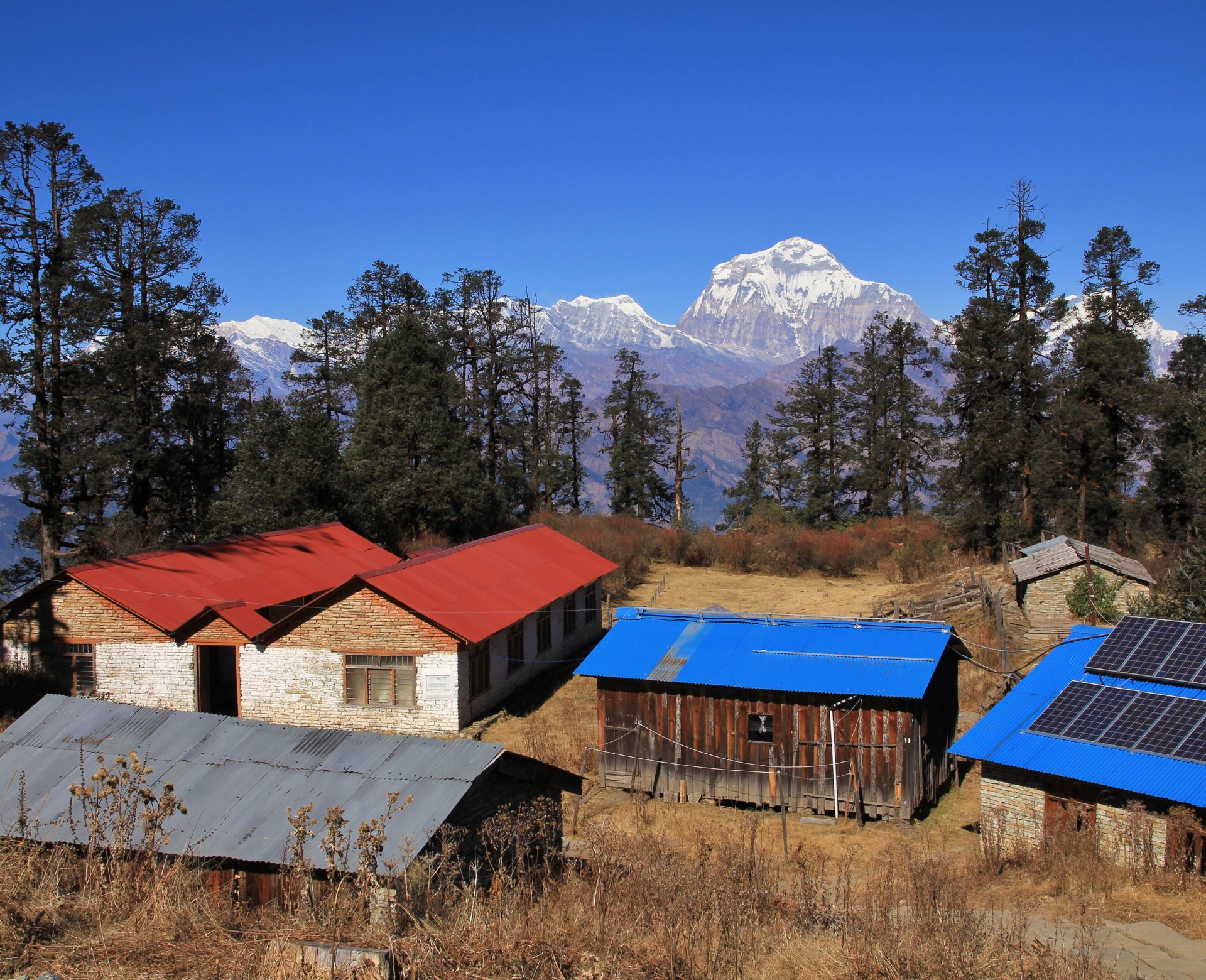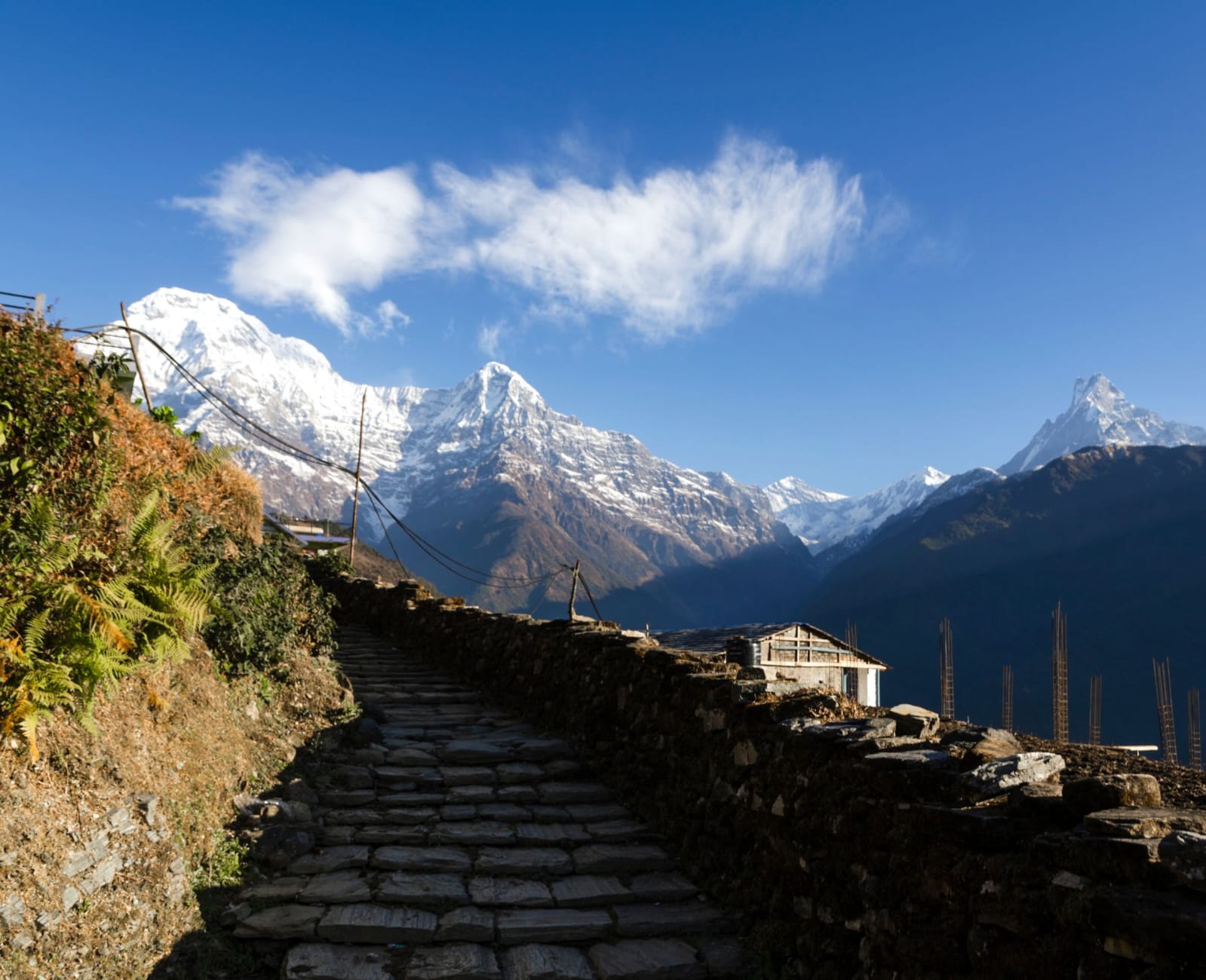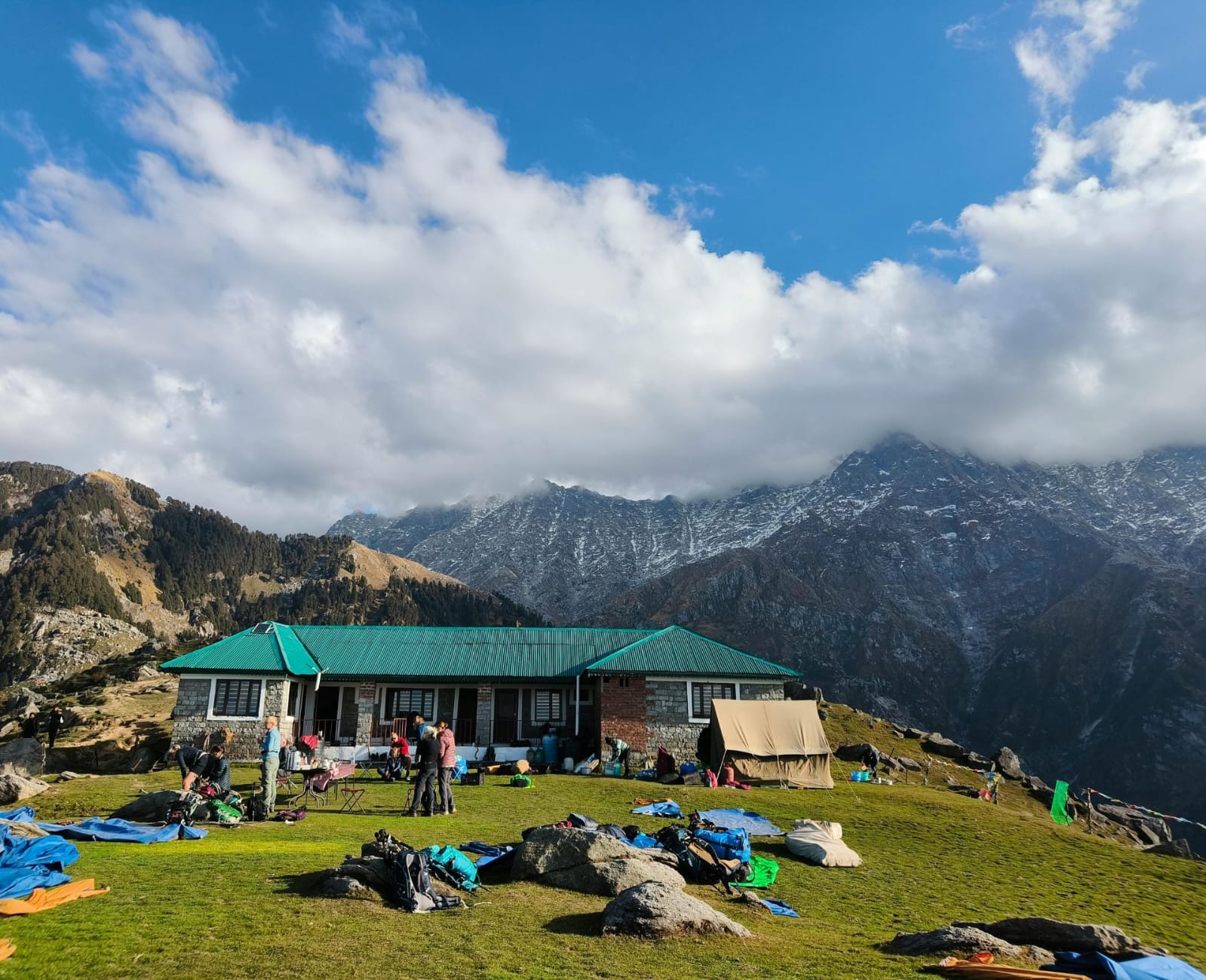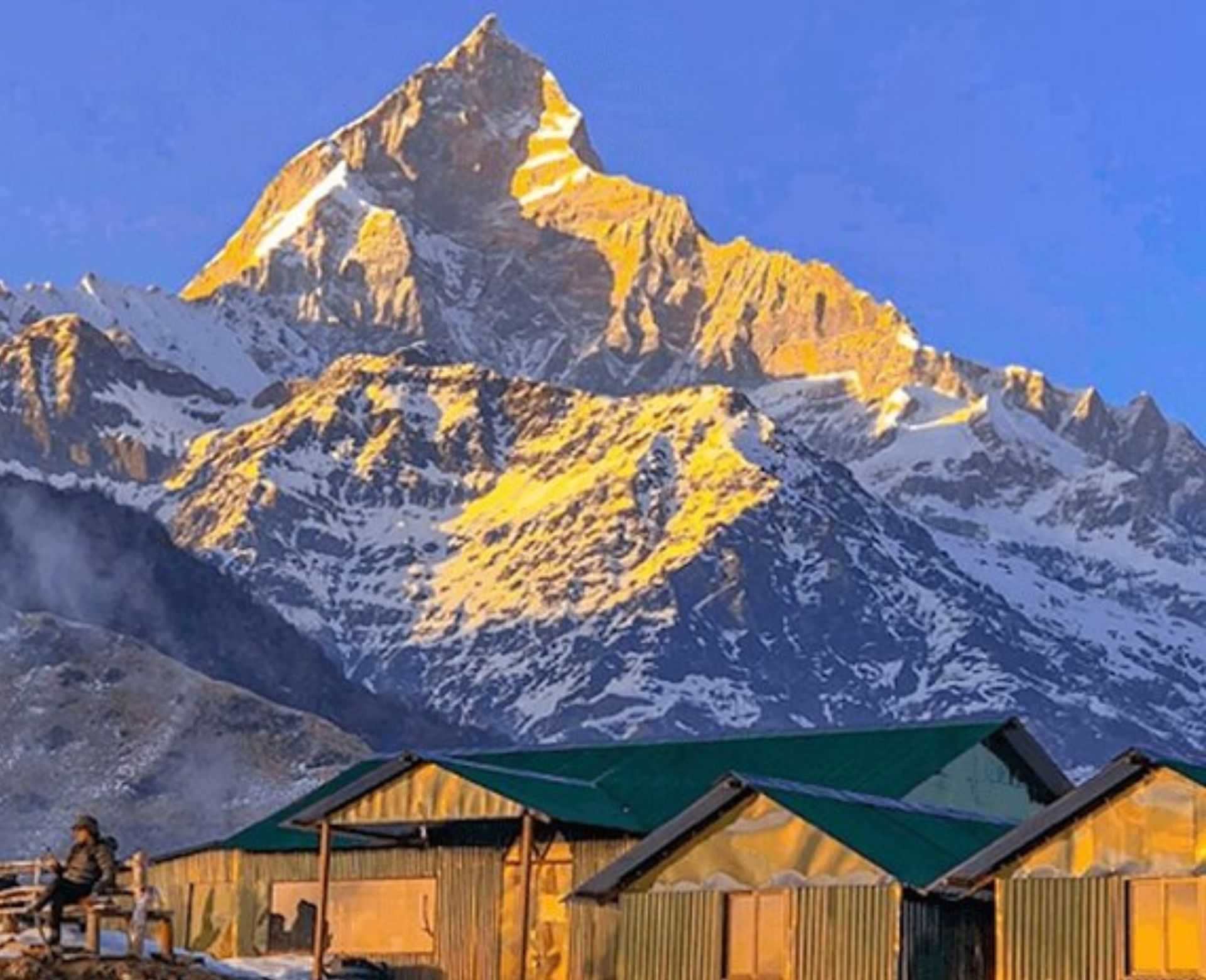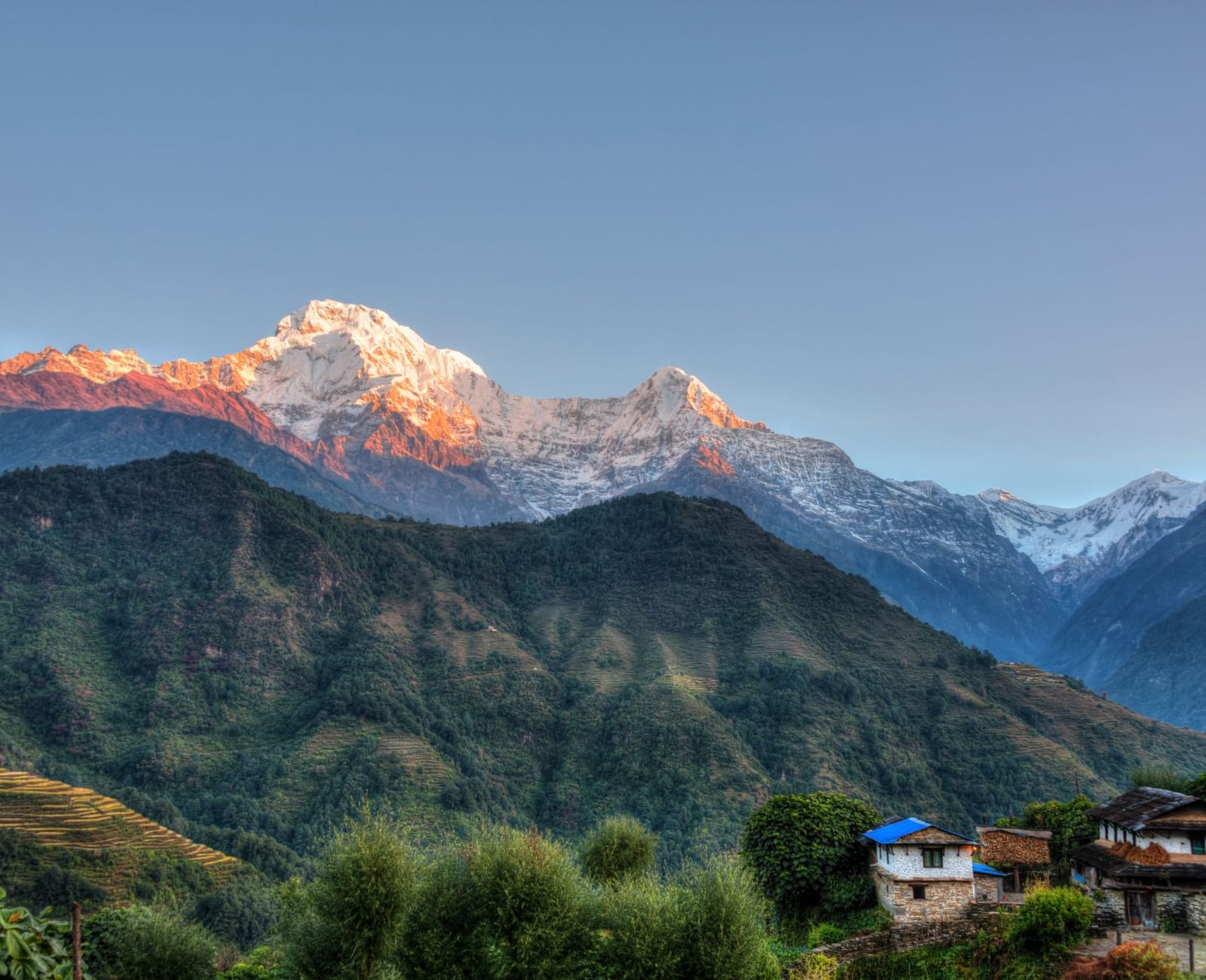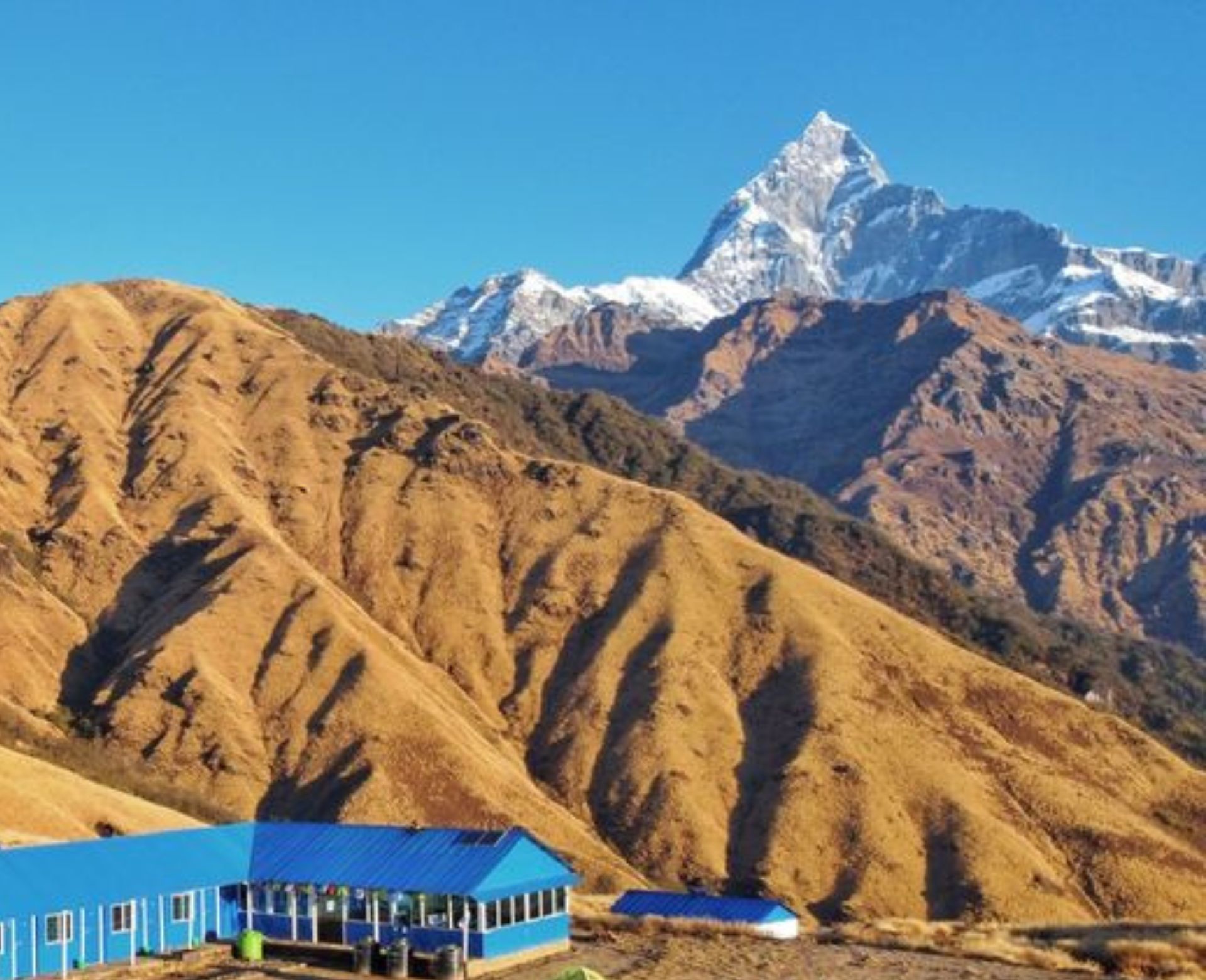
The Mardi Himal and Khumai Danda Trek is a 7-day route from Pokhara. It extends the classic Mardi Himal circuit past Siding into quieter trail most itineraries never touch. The route climbs to Mardi Himal Base Camp (4,500m) before continuing to Khumai Danda. Per-person pricing runs from $499 to $659.
Past Siding, the trail turns quiet fast. Forest paths through Mirsa lead up to Korchan ridge, a wide viewpoint few Mardi Himal trekkers see. The route then drops through Hile Kharka to Ghachok, with a short drive back to Pokhara.
At 4,500m, altitude is a real but manageable factor here. See our acclimatization guide for general advice. For the shorter, classic route to the same base camp, our standard Mardi Himal Trek covers it in fewer days.
We’re a Kathmandu-registered company running this route with licensed local guides and full permit handling. See the group pricing below for exact rates, or message us on WhatsApp to check dates.
| Trip Details | Information |
|---|---|
| Trip Name | Mardi Himal & Khumai Danda Trek |
| Duration | 6 Nights / 7 Days |
| Maximum Altitude | 4,500 m – Mardi Himal Base Camp |
| Major Highlights | Mardi Himal Base Camp, Khumai Danda, Korchan viewpoint |
| Trek Difficulty | Moderate |
| Trek Start / End Point | Pokhara |
| Best Season | Spring (March–May) & Autumn (September–November) |
| Low Season | Winter – fewer trekkers, clear views |
| Not Recommended | Monsoon Season (June–August) |
| Accommodation | Tea House Lodges |
| Meals Included | Breakfast, Lunch & Dinner |
| Trek Style | Guided Trekking |
| Region | Annapurna |
Pokhara → Kande → Forest Camp → Low Camp → High Camp → Mardi Himal Base Camp → Siding → Mirsa → Khumai Danda → Korchan → Hile Kharka → Ghachok → Pokhara
The Mardi Himal and Khumai Danda Trek covers more ground than the standard route, without repeating the same trail twice. Past Siding, most Mardi Himal itineraries turn back the way they came. This one continues forward through Mirsa to Khumai Danda and the Korchan ridge, terrain that far fewer trekkers ever walk. You still get the same Base Camp sunrise, plus several days of genuinely new trail on the way down.
This route also skips the flight dependency that comes with Everest-region treks. Everything starts and ends in Pokhara by road, so there’s no Lukla weather risk to plan around. At a moderate difficulty and a realistic daily pace, it suits first-time high-altitude trekkers. It also works well for anyone who’s already done Mardi Himal and wants to see the rest of the ridge. We handle the guide, permits, and teahouse logistics for the whole route.
What makes the Mardi Himal and Khumai Danda Trek worth the extra days:
The route is rated moderate, not easy. There’s no technical climbing, but the extra days beyond Siding mean more sustained daily walking than the standard route, on trail with far fewer teahouses and far fewer other trekkers. The push from High Camp to Base Camp is steep, often starts before dawn, and is genuinely cold at 4,500 metres. Water is only available at High Camp, so you carry what you need for the push and back. A few weeks of regular hill walking beforehand makes the difference between enjoying the extension and just enduring it.
per person
per person
per person
per person
Altitude: 2,500m | Trek: 5–6 hours | Meals: Breakfast, Lunch, Dinner | Stay: Teahouse
The journey begins with a short drive from Pokhara to Kande. The trail follows forest paths via Australian Camp and Pothana, gradually ascending through rhododendron and pine forest. The day ends at Forest Camp, surrounded by dense woodland.
Altitude: 3,580m | Trek: 4–5 hours | Meals: Breakfast, Lunch, Dinner | Stay: Teahouse
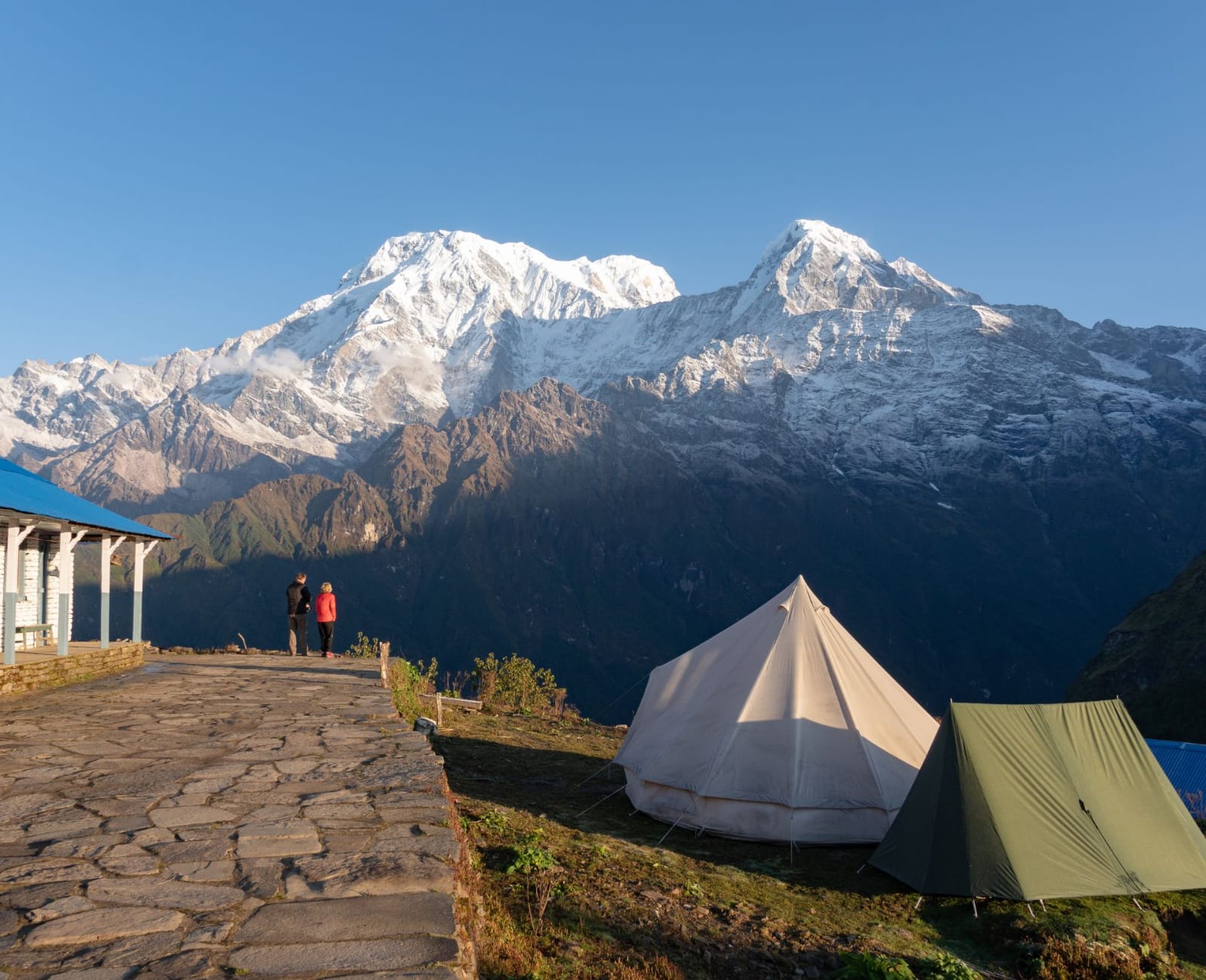
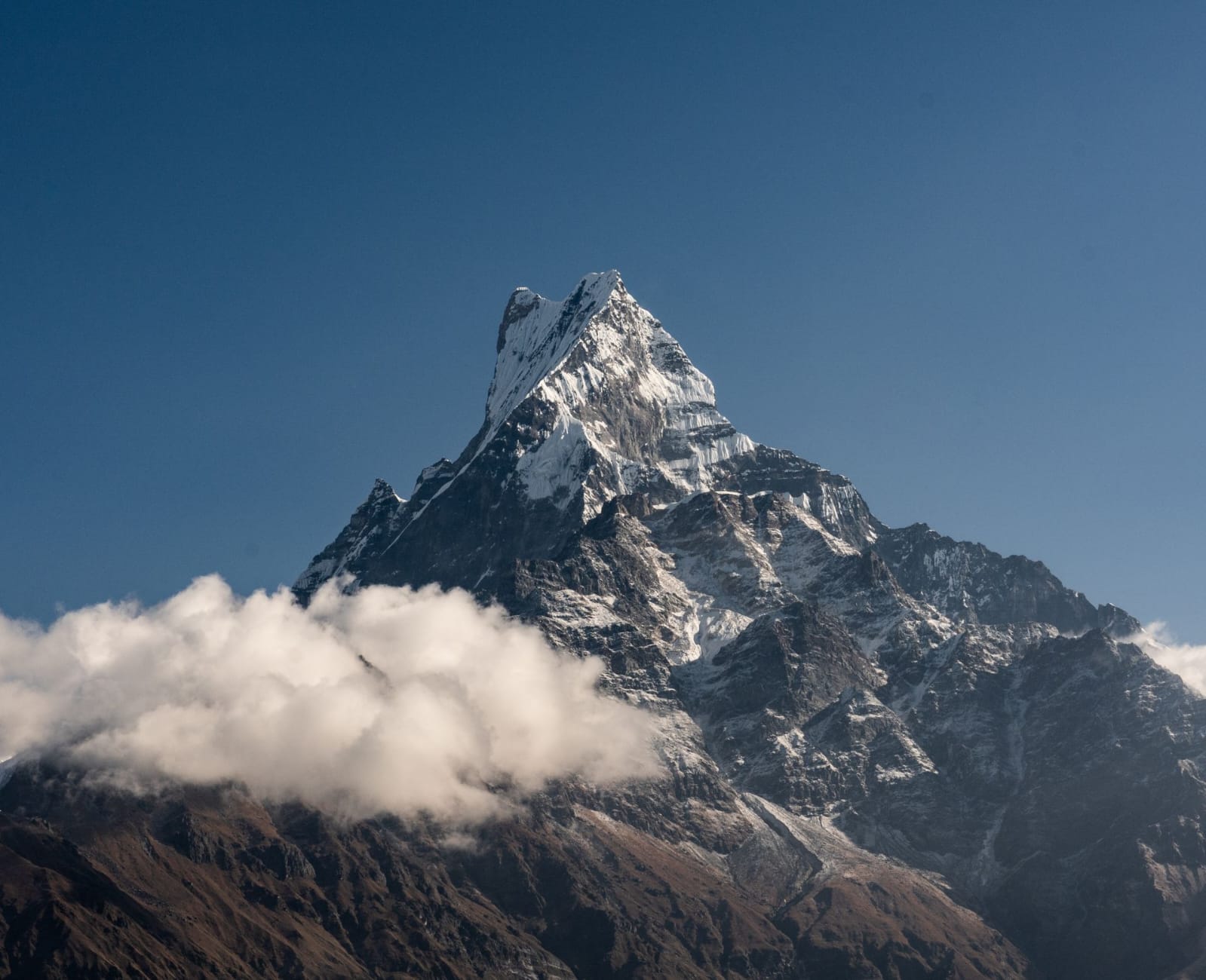
The trail continues through forest before opening onto the Mardi Himal ridge. As elevation increases, views of Machhapuchhre and the Annapurna range become more prominent. High Camp offers a clear alpine setting close to the mountains.
Altitude: 4,500m | Trek: 6–7 hours | Meals: Breakfast, Lunch, Dinner | Stay: Teahouse
An early morning hike leads along a narrow ridge to Mardi Himal Base Camp. The viewpoint offers close-up mountain scenery, especially during sunrise. After time at the base camp, the route returns to High Camp for the night.
Altitude: 1,750m | Trek: 5–6 hours | Meals: Breakfast, Lunch, Dinner | Stay: Teahouse
Descend from the ridge through alpine terrain into forest trails. The route leads to Siding, a quiet village that offers a more local, less crowded experience.
Altitude: 3,245m | Trek: 6–7 hours | Meals: Breakfast, Lunch, Dinner | Stay: Teahouse
The trail climbs steadily through forest and less-traveled paths toward Khumai Danda. This section is quieter and offers a more natural trekking environment.
Altitude: 3,700m (Korchan) | Trek: 5–6 hours | Meals: Breakfast, Lunch, Dinner | Stay: Teahouse
An early morning hike leads to Korchan ridge for wide Himalayan views. After sunrise, the trail descends through forest toward Hile Kharka.
Altitude: 827m (Pokhara) | Trek: 4–5 hours | Meals: Breakfast, Lunch | Stay: N/A — trip ends
The final day follows a descending trail through forest and village paths to Ghachok. From there, a drive of about 1 to 1.5 hours returns to Pokhara, completing the trek.
A 7-day Pokhara-to-Pokhara trek in Nepal’s Annapurna region reaching Mardi Himal Base Camp (4,500m), then continuing past Siding through Khumai Danda and the Korchan ridge back to Pokhara instead of retracing the same trail — an extended variant of the standard Mardi Himal Trek.
Both reach the same Base Camp at 4,500m, but the standard route returns the way it came. This one continues past Siding through Khumai Danda and the Korchan ridge, adding extra days of quieter trail most Mardi Himal trekkers never walk.
Yes, a licensed guide is legally required across the Annapurna region, including this route. It’s built into every group tier already, so there’s no separate charge for it.
The Annapurna Conservation Area Permit (ACAP) and TIMS card, both arranged by us in advance and included in the package price. You won’t need to queue at checkpoints yourself.
Not in the base package — this is priced Pokhara-to-Pokhara. But we can arrange your complete trip from Kathmandu arrival to departure as a customised add-on, with extra days and transport built into the itinerary. Message us on WhatsApp with your travel dates and we’ll quote it as part of your package.
Similar overall difficulty, but the days past Siding see far fewer trekkers and fewer teahouses along the way. There’s more sustained walking than the standard 5-day version, though nothing technical.
Coverage is patchy at best once you’re past Siding. Some teahouses offer Wi-Fi for a small fee, but don’t count on a signal on the Khumai Danda and Korchan stretch.
Spring (March–May) and autumn (September–November), for clear mountain views and stable trail conditions. Winter is quieter, with fewer trekkers but colder nights. Monsoon season isn’t recommended, due to leeches, landslides, and clouded views.
You can book as a Solo Trekker — the guide is still included, and a porter is available on request at extra cost. Group tiers bring the per-person price down and include a porter as standard.
Base Camp sits at 4,500m, and your guide monitors everyone for altitude symptoms throughout the trek. If symptoms are serious, the response is to descend, so make sure your insurance covers evacuation.
Some hill-walking fitness helps, especially for the longer days past Siding, but you don’t need prior high-altitude experience. Regular walking in the weeks before you travel makes a real difference on the trail.